
What to Do When an Aging Parent Keeps Falling
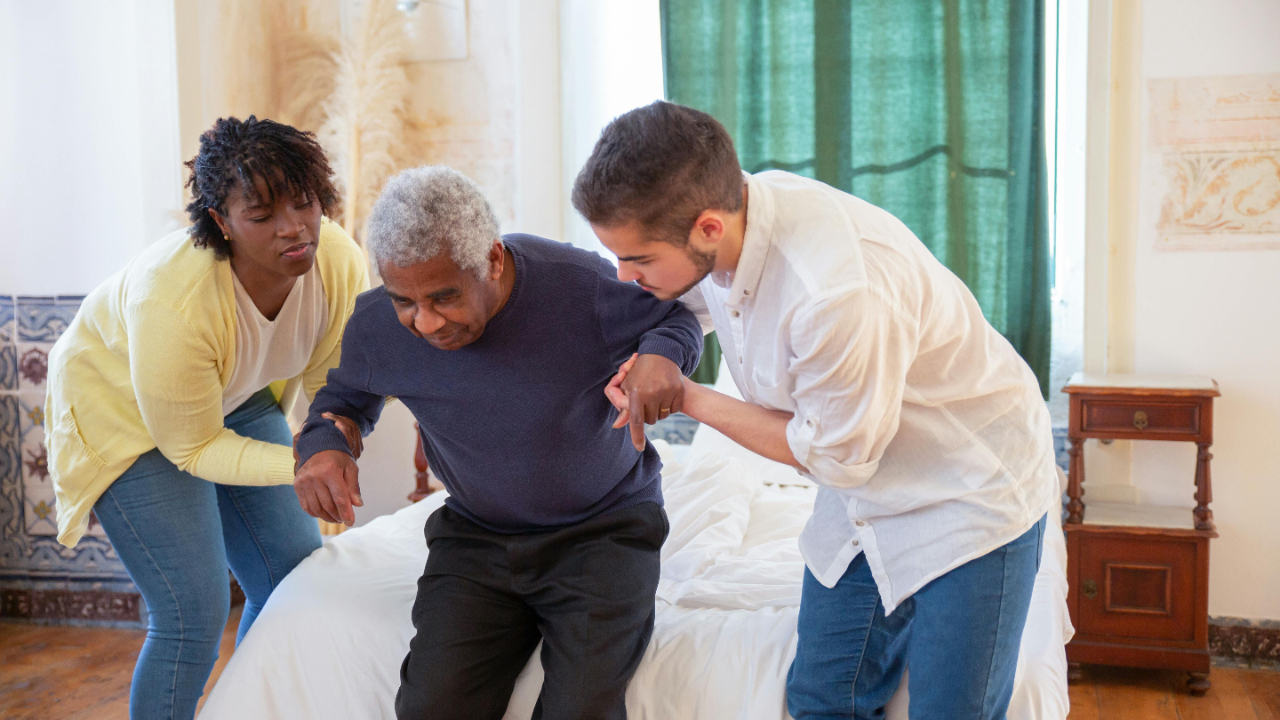
If your aging parent has started falling more frequently, it is important to pay attention.
Falls are one of the leading causes of injury among older adults. According to the Centers for Disease Control and Prevention, millions of older adults experience falls each year, and many of those falls lead to serious injuries such as fractures or head trauma.
For families supporting an elderly parent, repeated falls are often one of the earliest warning signs that additional support may be needed.
Why Falls Become More Common With Age
Falls rarely happen for a single reason.
Instead, they are often the result of multiple factors happening at the same time.
These can include:
- balance problems
- muscle weakness
- medication side effects
- vision changes
- chronic medical conditions
- hazards in the home environment
Even small changes in strength or coordination can increase fall risk significantly.
Why Falls Are So Concerning
Falls can quickly change an older adult’s level of independence.
A hip fracture or serious injury may lead to hospitalization, rehabilitation, or long-term care placement.
Even when no major injury occurs, the fear of falling again can cause older adults to limit their activity, which may lead to further physical decline.
Because of this, repeated falls should always be taken seriously.
The First Step: Medical Evaluation
If an aging parent has started falling regularly, a medical evaluation is often the first step.
Doctors can review medications, check for balance or neurological issues, and evaluate whether underlying medical conditions are contributing to the problem.
Sometimes something as simple as adjusting medications or prescribing physical therapy can significantly reduce fall risk.
Looking at the Home Environment
The home environment can also play a major role in fall prevention.
Common improvements may include:
- removing loose rugs
- improving lighting in hallways and stairways
- installing grab bars in bathrooms
- using mobility aids such as walkers or canes
Small changes in the home can often make a big difference.
When Additional Support Is Needed
If falls continue to occur despite these adjustments, families may need to consider additional support.
This might include home care services, supervision during certain activities, or exploring safer living environments.
Frequent falls are often one of the signs discussed in this article about signs your aging parent may need more support.
The Emotional Side of This Situation
Watching a parent become physically vulnerable can be emotionally difficult for adult children.
It may raise concerns about safety, independence, and the future.
Recognizing the seriousness of falls early can help families take proactive steps that support both safety and quality of life.
Sofia Amirpoor, MSW, is a geriatric social worker with over 30 years of experience helping families navigate aging parent care.
Get your FREE Emotional Relief Guide for Adult Children of Aging Parents!
Author

Sofia Amirpoor
Geriatric Social Worker
Sofia Amirpoor, MSW is a geriatric social worker with over 30 years of experience helping families navigate the challenges of aging parent care. Through her writing, videos, and programs, she helps adult children support their aging parents with greater understanding, emotional resilience, and confidence.