
How to Care for an Aging Parent Who Hurt You Growing Up
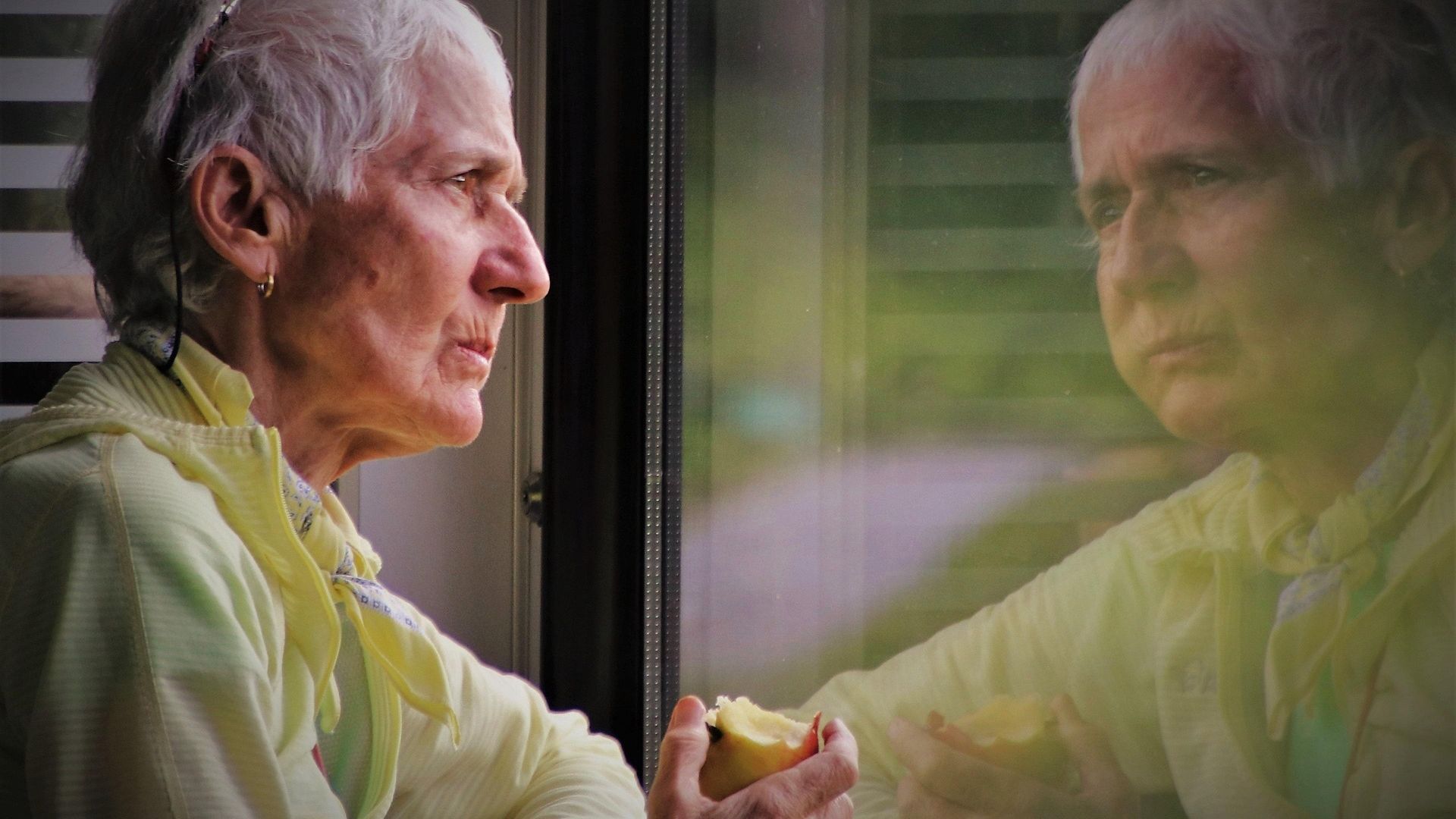
If you’re trying to support or care for an aging parent who wasn’t a very good parent to you, you’re not alone.
Many adult children find themselves in this exact situation. They want to do the right thing and provide support as their parent ages, but painful memories keep rising to the surface.
Old words echo in their minds.
Old feelings resurface in their hearts.
Anger. Hurt. Resentment. Confusion.
And then comes the question many people quietly struggle with:
How do I care for someone who hurt me?
This is one of the most emotionally complex situations adult children face when supporting aging parents.
Before we go any further, I want to say something important.
If you experienced severe abuse or trauma, and thinking about it still causes deep distress, this article may not be the right place to process those feelings. Professional support from a therapist or counselor can be incredibly helpful in those situations.
But for many adult children whose parents were less than ideal, and who still want to move forward in a healthier way, there are ways to soften the emotional weight of the past.
I want to share three approaches that can help.
These approaches changed how I think about my own childhood and my relationship with my mother.
A Personal Story
If you’ve followed my work for a while, you’ve probably heard me talk about my father, whom I cared for until he passed away a few years ago.
What you may not have noticed is that I almost never talk about my mother.
This is the first time I’ve spoken openly about her.
My mother passed away more than twenty years ago, and the truth is, she was not a good mother.
In fact, many people would describe her as deeply abusive.
I grew up on a ranch with my brothers and sisters, where we worked extremely hard from a young age. When my mother became angry, the punishments were severe.
So severe that four of the five children in my family ran away from home before we were 18.
I was the youngest.
At fourteen years old, I ran away in the middle of the night and never went back.
For years, I hated my mother and refused to speak to her.
But today, many years later, I feel very differently.
Today I can say that I understand her.
Today I can say I forgive her.
And today I can say I love her and miss her.
If she were alive today and needed my care, I believe I could give it to her.
That shift didn’t happen overnight. It was the result of years of reflection, therapy, and learning to understand both myself and my past.
Along the way, I discovered three powerful ways to start softening the emotional grip of painful memories.
1. Try to Understand What Was Happening in Your Parent’s Life
This is not about excusing harmful behavior.
It’s about understanding context.
Ask yourself questions like:
-
What kind of childhood did your parent have?
-
Were they mistreated by their own parents?
-
Was there substance abuse in the home?
-
Were they under overwhelming stress?
-
What cultural expectations shaped their beliefs about parenting?
-
Were they financially struggling or emotionally isolated?
When I look back at my mother’s life, I see things I couldn’t see as a child.
She immigrated from another country after marrying my father, an American serviceman. She arrived in the United States with no support system, no friends, and no family nearby.
She ended up on a remote ranch with five children.
Then my father left.
She had no money and no help.
Children in her culture were expected to obey completely and never talk back. But we were American kids who wanted to play with friends and ride bikes like everyone else.
She was stuck between two cultures, raising five children alone under enormous stress.
None of this makes what happened okay.
But understanding her life circumstances helps soften the sharp edge of those memories.
It helped me see her not just as my mother, but as a struggling human being.
And that understanding can begin to dull the emotional pain many adult children carry.
2. Identify the Strengths That Came From Your Experience
This one can feel uncomfortable at first.
But it can also be incredibly powerful.
Ask yourself:
What positive things came out of my experiences?
For me, my childhood led me down a path of self-exploration, personal growth, and healing that has shaped my entire life.
It influenced my decision to study psychology and social work.
It made me deeply committed to understanding human behavior and helping others navigate difficult family relationships.
It also shaped the kind of parent I became.
I made conscious choices about how I would raise my own children differently.
And because of those shared experiences growing up, my siblings and I formed incredibly strong bonds. We supported each other through those years, and we remain very close today.
Without those experiences, my life might have taken a completely different path.
And today, I can honestly say that path led me somewhere meaningful.
You might discover strengths in yourself that came from adversity:
-
Resilience
-
Empathy
-
Independence
-
Emotional insight
-
Strong sibling relationships
Recognizing those strengths doesn’t erase the past, but it helps you see the full picture of your life, not just the painful parts.
3. Hold Onto the Good Memories — Even If There Are Only a Few
Our minds tend to replay the painful moments over and over again.
Those memories can become so loud that they drown out everything else.
But I want you to ask yourself something:
Did your parent behave badly 100% of the time?
Probably not.
And if we’re alive and well today, our parents must have done something right somewhere along the way.
Even small positive memories matter.
I don’t have many good memories with my mother.
But I have a few.
One memory is of us sitting cross-legged on the kitchen counter eating avocado with sugar and cream straight from the peel. I remember feeling happy and silly that she let me sit there with her.
Another memory is of us singing “The Rose” by Bette Midler together.
I recorded the song from the radio on one cassette player and then recorded us singing it on another cassette player.
We would listen back and laugh at how terrible we sounded.
Then we would sing it again, louder, convinced we would do better the next time.
Those are the only two good memories I have with my mother.
And I hold onto them tightly.
They remind me that our relationship was not only pain.
There were small moments of connection too.
Even if you only have a few memories like that, they are worth preserving.
Moving Forward With More Peace
These three exercises won’t change your feelings overnight.
Healing from childhood experiences takes time.
But they can begin to shift how you see your parent and your past.
Try reflecting on:
-
What was happening in your parent’s life that shaped their behavior
-
What strengths and growth came from your experiences
-
What positive memories still exist, even if they are small
Over time, these reflections can soften the anger and hurt that many adult children carry.
That emotional shift can make it easier to provide support and care for your aging parent — not out of obligation, but from a place of greater understanding and peace.
Today I can say something I never imagined saying when I was fourteen years old and running away in the night.
I can say my mother is forgiven.
I can say I love her.
And I can say I miss her.
And if she were alive today and needed my support, I believe I could give it to her.
That is the kind of peace I wish for anyone navigating a difficult relationship with an aging parent.
________________________________________________________________________________
Sofia Amirpoor, MSW, is a geriatric social worker with over 30 years of experience helping families navigate aging parent care.
Get your FREE Emotional Relief Guide for Adult Children of Aging Parents!
Author

Sofia Amirpoor
Geriatric Social Worker
Sofia Amirpoor, MSW is a geriatric social worker with over 30 years of experience helping families navigate the challenges of aging parent care. Through her writing, videos, and programs, she helps adult children support their aging parents with greater understanding, emotional resilience, and confidence.