
The Parent Care Rollercoaster: How to Handle the Ups and Downs of Caring for an Aging Parent
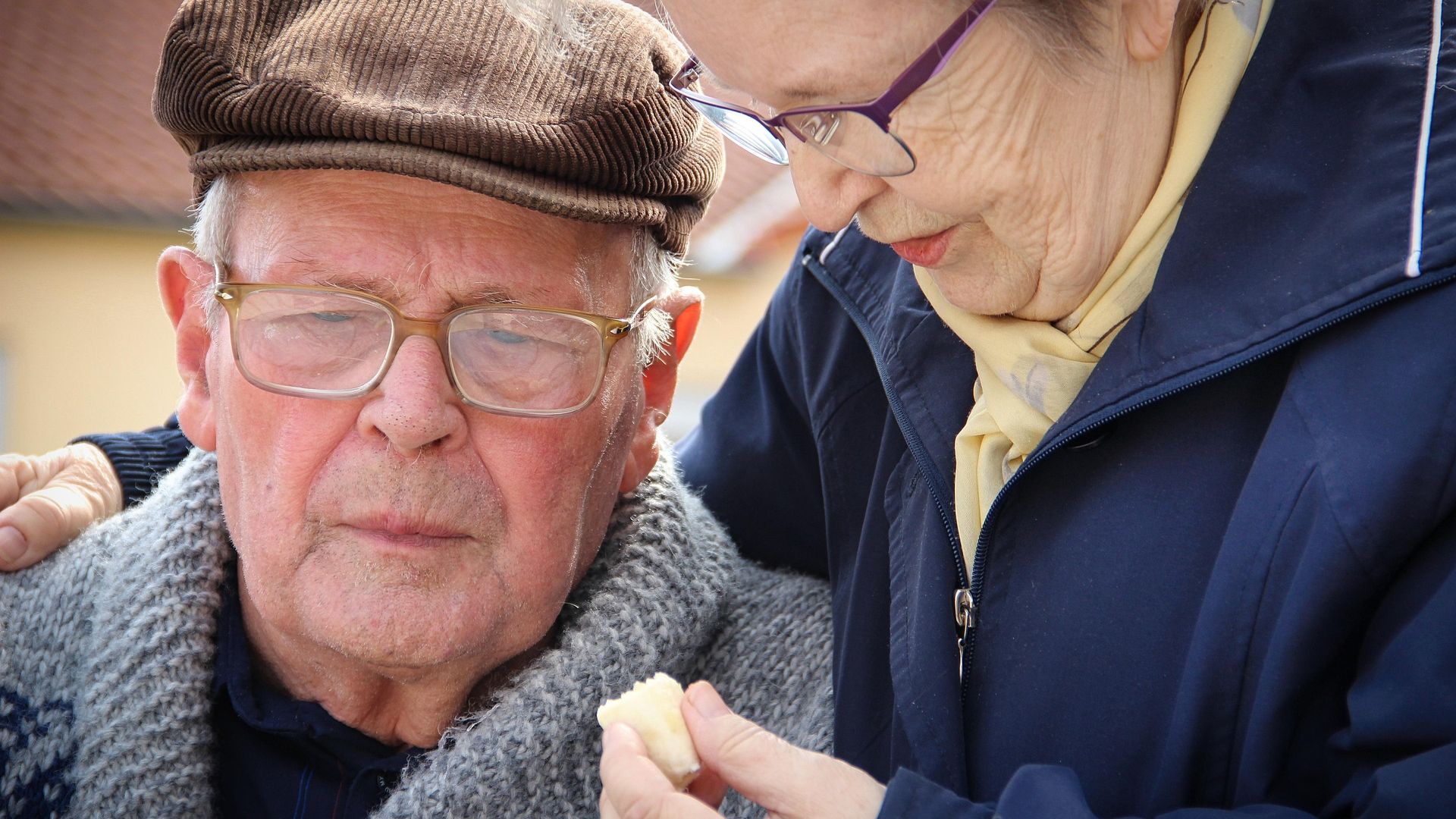
If you’re caring for or supporting an aging parent, you’ve probably noticed that it can feel like an emotional rollercoaster, except maybe not the fun kind.
One minute you’re feeling proud and grateful for the opportunity to help them. The next minute you’re plummeting into stress, guilt, frustration, or exhaustion.
And if you’ve ever thought, “Why does this feel so overwhelming sometimes?” you’re not alone.
But what if there was a way to make this ride a little less intense?
Caregiving will always have ups and downs. That’s simply the nature of it. But when you learn to intentionally focus on the unexpected good moments, the small bright spots, it can transform the experience from a wild, zero-gravity rollercoaster into something more manageable… closer to a kiddie coaster.
You’re still on the ride. But it doesn’t have to make you dizzy.
Let’s talk about how to do that.
The Emotional Rollercoaster of Caring for an Aging Parent
First, it’s important to acknowledge the reality of caregiving.
Supporting an aging parent is full of emotional surprises, some beautiful, some incredibly difficult.
One day you might be laughing together about a story from their past.
The next day you may be biting your tongue because they refuse to take their medication or go to the doctor.
It can feel chaotic at times, like you're strapped into a ride you didn’t fully sign up for.
And if we’re not careful, the difficult moments can start to take over. Stress builds. Resentment creeps in. Guilt follows close behind.
Before long, many caregivers find themselves bracing for the next emotional drop instead of noticing the peaks along the way.
But the peaks are there.
And when you start intentionally looking for them, the entire experience begins to shift.
The Unexpected Good Moments in Caregiving
In a recent video, I referred to these positive moments as “glimmers.”
Glimmers are the small moments of beauty, connection, or meaning that appear in the middle of the caregiving journey. They’re often brief, unexpected, and easy to miss—but they can be incredibly powerful.
One friend of mine, Marlene, was caring for her mother who had dementia. She told me there were days when the demands felt overwhelming and relentless.
But one afternoon, out of nowhere, her mother started singing a song from Marlene’s childhood.
Marlene joined in.
For a few minutes, everything else fell away, the stress, the responsibilities, the exhaustion. It was just the two of them singing together like they had years earlier.
That memory became a lifeline for her during the hard days.
Those moments are there for all of us if we learn how to recognize them.
Three Positive Surprises Caregiving Can Bring
While caregiving can be incredibly challenging, it can also bring unexpected gifts.
1. Stronger Bonds
Caregiving often creates moments of connection that might never have happened otherwise.
Even if your relationship with your parent has been complicated, you may find new opportunities for meaningful conversations, shared memories, or quiet appreciation.
I once worked with a man named James who was caring for his father after a stroke. Growing up, they had never been particularly close.
But during the caregiving process, they began having honest conversations—real conversations they had never had before.
James told me it felt like he was meeting his father for the first time, even after fifty years.
2. Personal Growth
Caregiving is one of life’s most powerful teachers.
It pushes you to develop patience, resilience, compassion, and emotional strength in ways you may never have expected.
It’s not an easy classroom.
But many caregivers eventually realize that the experience has changed them in meaningful ways—often making them stronger, wiser, and more empathetic people.
And the interesting thing is that this growth is happening all the time, often without you even noticing it.
3. A Sense of Purpose
Many caregivers also discover a deeper sense of purpose through supporting their parent.
You are making a meaningful difference in someone’s life during a vulnerable stage of their journey.
That sense of purpose can become an anchor during the difficult days, reminding you that your efforts truly matter.
A Simple Practice: Notice the Glimmers
Here’s a small but powerful exercise.
Think about a recent moment when caregiving brought:
-
Joy
-
Connection
-
Gratitude
-
Personal growth
In other words, a glimmer.
Take a minute to reflect on it.
You might even consider starting a small journal where you write down these moments as they happen. Over time, this collection can become incredibly meaningful.
One day, when you look back, those are the moments you will likely remember the most.
The Hard Parts of Caregiving Are Real
Of course, caregiving isn’t all meaningful moments and personal growth.
The difficult parts are very real, and they deserve to be acknowledged.
Stress and Burnout
The endless responsibilities, sleepless nights, and constant worry can take a serious toll.
Caregiver burnout is common, and it’s something that should never be ignored.
If you find yourself snapping more easily, feeling emotionally drained, or overwhelmed by simple tasks, it may be a sign that you need support and rest.
Resentment and Guilt
Many caregivers experience a painful emotional cycle:
First comes resentment because caregiving is consuming so much of their life.
Then comes guilt for even feeling resentful in the first place.
If this sounds familiar, please know this: those feelings are normal. They are part of being human.
Isolation
Caregiving can also be lonely.
You may find that your social life, hobbies, and personal time slowly fade into the background as your parent’s needs take center stage.
It can sometimes feel like you’re on this journey alone.
But remember: the lows are part of the ride. They are not the whole ride.
How to Make the Caregiving Journey More Manageable
So how do you move from that intense emotional rollercoaster to something more manageable?
It starts with intention.
Celebrate the Good Moments
When something positive happens—a shared laugh, a peaceful afternoon, a meaningful conversation—pause and let it sink in.
Don’t rush past it.
Those moments are fuel for the journey.
Reframe the Difficult Moments
When challenges arise, try shifting your perspective.
Instead of asking,
"Why does this always happen?"
You might ask,
"What can I learn from this?"
or
"How can I respond with compassion here?"
This shift doesn’t remove the difficulty, but it can change how you experience it.
Remember That You Still Matter
Finally, it’s essential to make space for yourself.
Time with friends.
A walk outside.
A hobby you enjoy.
Even a few quiet minutes with a cup of coffee.
These small moments are like rest stops on the rollercoaster. They help restore your energy and remind you that you are more than just a caregiver.
The Truth About the Caregiving Journey
Supporting an aging parent will probably always feel a little like a rollercoaster.
There will be ups.
There will be downs.
But when you start paying attention to the unexpected highs, the glimmers, you begin to take back a little control of the ride.
Instead of gripping the bar in fear, you begin to move through the experience with greater steadiness, perspective, and even moments of joy.
So today, ask yourself:
What is one small thing you can do to make the ride a little gentler?
Maybe it’s writing down a meaningful caregiving memory.
Maybe it’s reaching out to a friend for support.
Or maybe it’s simply taking a deep breath and reminding yourself that you are doing the best you can.
And that truly matters.
__________________________________________________________________________________
Sofia Amirpoor, MSW, is a geriatric social worker with over 30 years of experience helping families navigate aging parent care.
Get your FREE Emotional Relief Guide for Adult Children of Aging Parents!
Author

Sofia Amirpoor
Geriatric Social Worker
Sofia Amirpoor, MSW is a geriatric social worker with over 30 years of experience helping families navigate the challenges of aging parent care. Through her writing, videos, and programs, she helps adult children support their aging parents with greater understanding, emotional resilience, and confidence.